When we run a race, do we start at the finish line?
Of course not. We begin at the starting line, run every step (maybe walk a few), and cover all the ground in between.
Why do we want to start at the finish line in other areas of our lives? And why do we expect other people to be standing at the finish line before they have run the race?
Parents do this all the time. Children pass through difficult phase after difficult phase, with parents wishing each phase away:
“When will this baby ever (take a bottle . . . sleep through the night . . . wean from the breast . . .)?”
“When will my toddler ever (potty train . . . stop throwing temper tantrums . . . give up the soother . . .)?”
“When will my child ever (stop crying every day at school . . . learn to read . . . stop sucking her thumb . . .)?”
“When will my teenager ever (do his homework on time . . . clean up that pigsty of a room . . . stop doing drugs . . .)?”
We want our children to be perfect, fully formed people without letting them run the race.
We adults have unrealistic expectations of ourselves too. We want to be in some other better place instead of where we are.
Whether it’s losing ten pounds, playing “Moonlight Sonata” on the piano, finishing a jigsaw puzzle, or writing a book, we can’t start at the finish line. We have to run the race, go through the process.
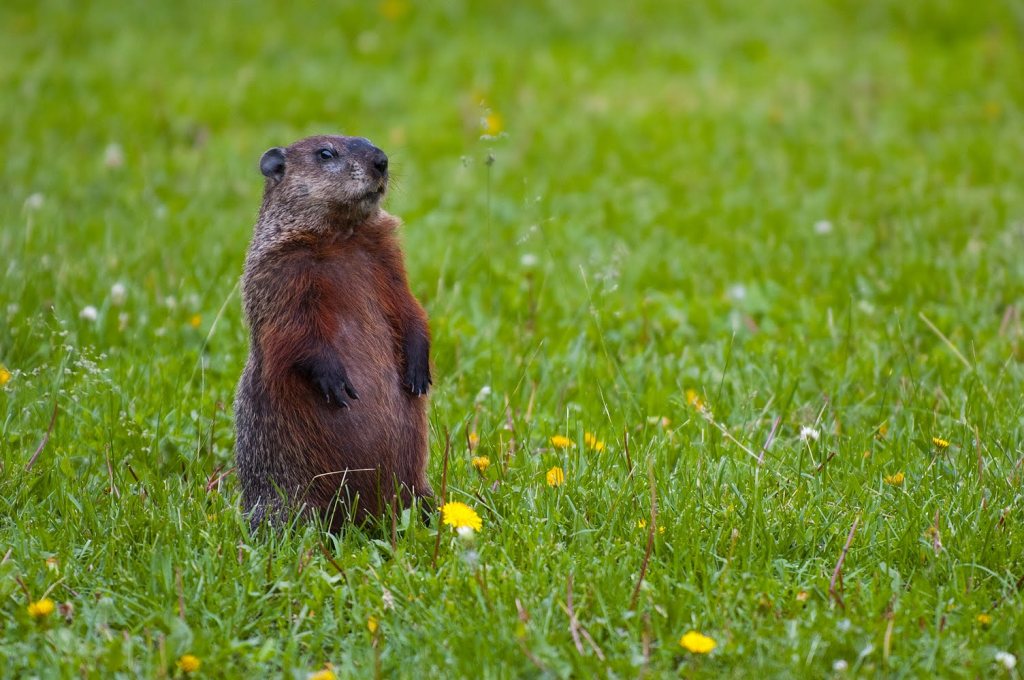
I’m thinking about this on Groundhog Day.
This is a picture of a groundhog in summer – not in winter in Ottawa, Canada, where I live.
No respectable groundhog is showing his face around here any time soon.
I LOVE the movie (it might be my favourite of all time), but the day? What a ridiculous idea. We can’t skip over winter to get to spring. WE ARE GOING TO HAVE SIX MORE WEEKS OF WINTER NO MATTER WHAT! This is Canada, for goodness sake. Nature has to run the race.
We can’t start at finish line. That’s the theme of the movie. Settle in. Take steps over and over. You’ll get there.
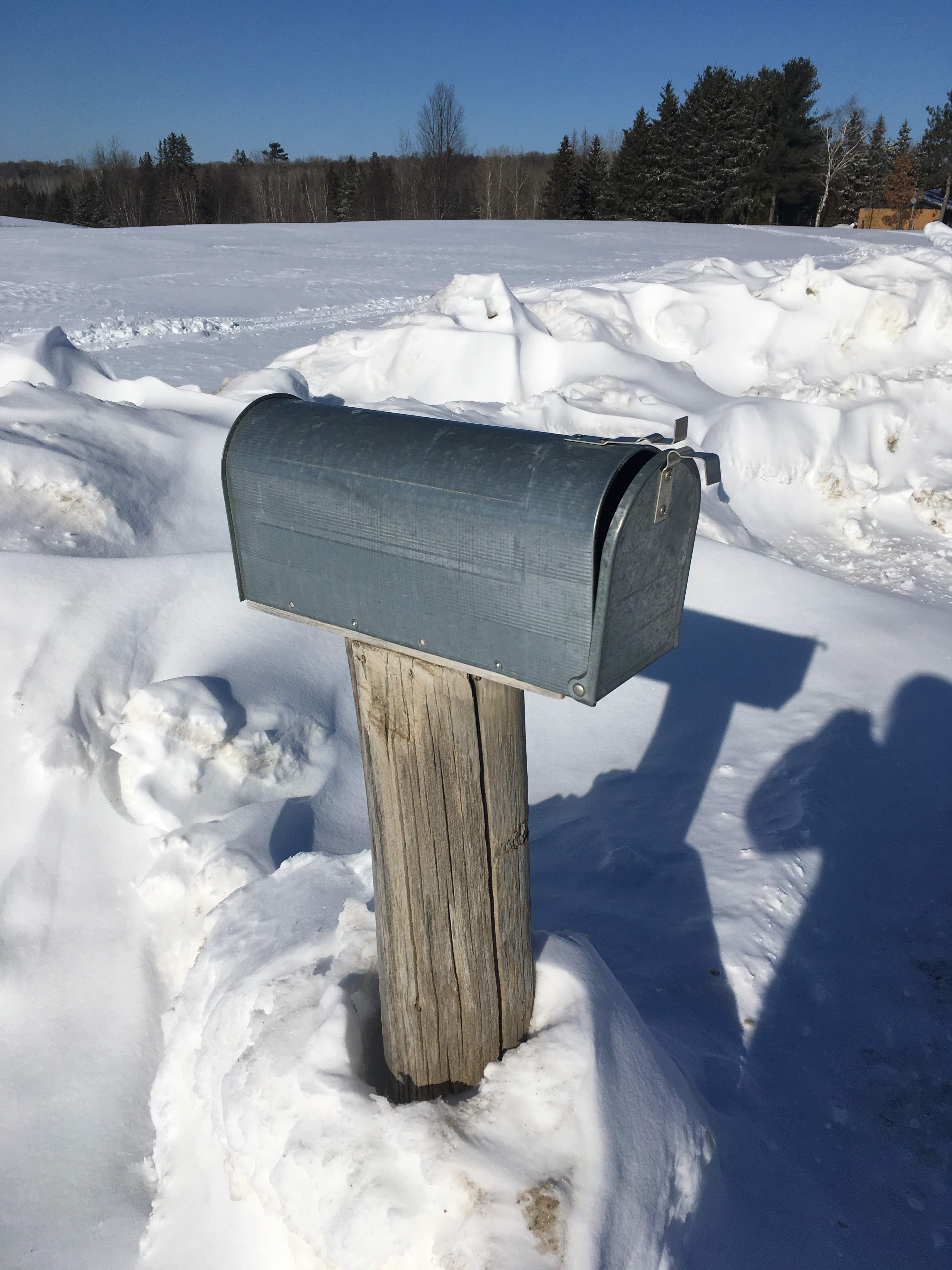
All the groundhogs in this field are snoozing under the snow.
This post from my previous site is another one that continues to gather regular traffic.
Way back in 2012, I was standing at my kitchen sink washing dishes when I saw something that made me stop in the middle of scrubbing a pot: a creature in my back yard looked suspiciously like a rat. Yikes.
I watched it for a while wondering how much rat traps cost. Then I realized that it looked like a rat, but it didn’t behave like a rat. It behaved exactly like the other squirrels frolicking around my yard.
It was a squirrel with no fur on its tail.
The next day a second squirrel with no fur on its tail appeared; this one was grey. What was going on? How could there be two squirrels of different colours with furless tails?
With apologies for the blurry photos. This was 2012, after all.
I have since learned that they probably had mange, but at the time I didn’t know that.
What made my heart glad was that all the squirrels, whether they had fluffy tails or not, played together happily.
In that fabulous story, some Sneetches have stars on their bellies, but Plain-Belly Sneetches had “no stars upon thars.” In the beginning, the Star-Belly Sneetches won’t associate with their plainer counterparts. By the end of the story, after Sylvester McMonkey McBean sends them all on several trips through his Star-on or Star-off machine (only ten dollars each) the Sneetches no longer know “Whether this one was that one . . . or that one was this one / Or which one was what one . . . or what one was who.”
In other words, the Sneetches discovered that it’s what’s inside that counts. That’s something my backyard squirrels seem to know instinctively. They play together whether or not there is “fur upon thars.”
The Sneetches learned, the squirrels know it. Can we figure it out?
I had a blog at another URL, but I have been transitioning readers to this one. I plan to remove the other site someday, when the traffic there dwindles. The problem is, I still get many visitors to that site because of two posts: one about sheep, and the other about squirrels.
Maybe I should become a nature writer?
By far the most popular post is about sheep. Still, and again, I ask, why do so many people search for sites about sheep?
Do they feel like “lost sheep,” and need solace? Or are they “black sheep” and want to feel they aren’t alone? Maybe some kids need a sheep picture for a school project? Here’s one I took at the Experimental Farm in Ottawa, Canada. Feel free to use it.
[Did you know that Ottawa, Canada has a farm in the middle of the city? Check it out. Central Experimental Farm]
Maybe we worry that we are becoming “sheeple,” blindly following along?
The website Sheep101.com informs me that the instinct to play follow the leader is hardwired into the brain of sheep. They can’t help sticking close to the sheep in front of them.
“When one sheep decides to go somewhere, the rest of the flock usually follows, even if it is not a good ‘decision.’ For example, sheep will follow each other to slaughter. If one sheep jumps over a cliff, the others are likely to follow.”
They don’t even walk in straight lines. They wind back and forth so they can see behind them, first with one eye and then with the other, to watch for predators. In the natural world of predator and prey, sheep are prey. Their herding instinct keeps them together, because any “lost sheep” are vulnerable. They will be the first devoured by the pack of wolves.
No wonder those lost sheep need to be found.
As for the black sheep, Sheep 101 tells me that there were black sheep in the Old West of America. The black sheep were fewer in number and easy to spot, so they were used as “markers” to help count the sheep—one for every hundred sheep. The old time farmers said, “Once your markers are in, your flock is in.”
If you consider yourself to be the black sheep, know how useful you are. We need you to keep us sorted.
And now, I’m going to delete sheep from my other site. The squirrels are next. (I’ve got not deal with the squirrels.)
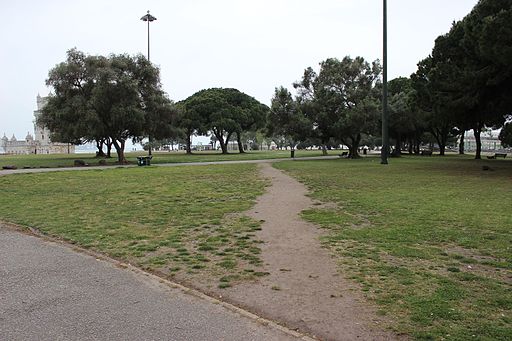
I first read about desire paths in The Old Ways: A Journey by Footby Robert McFarlane, People and other animals create desire paths when they opt for the shortest, fastest routes to destinations.
Cow paths are the most famous desire paths. The cows take the shortest, fastest route between their pasture and milking time. I have seen flocks of sheep on desire paths too.
You have a desire path in your neighbourhood; I’m sure of it. There used to be one a few hundred feet from me in the park behind my house. Before COVID, my neighbours and I would beat the grass down while taking the shortest, fastest route to the bus stop.
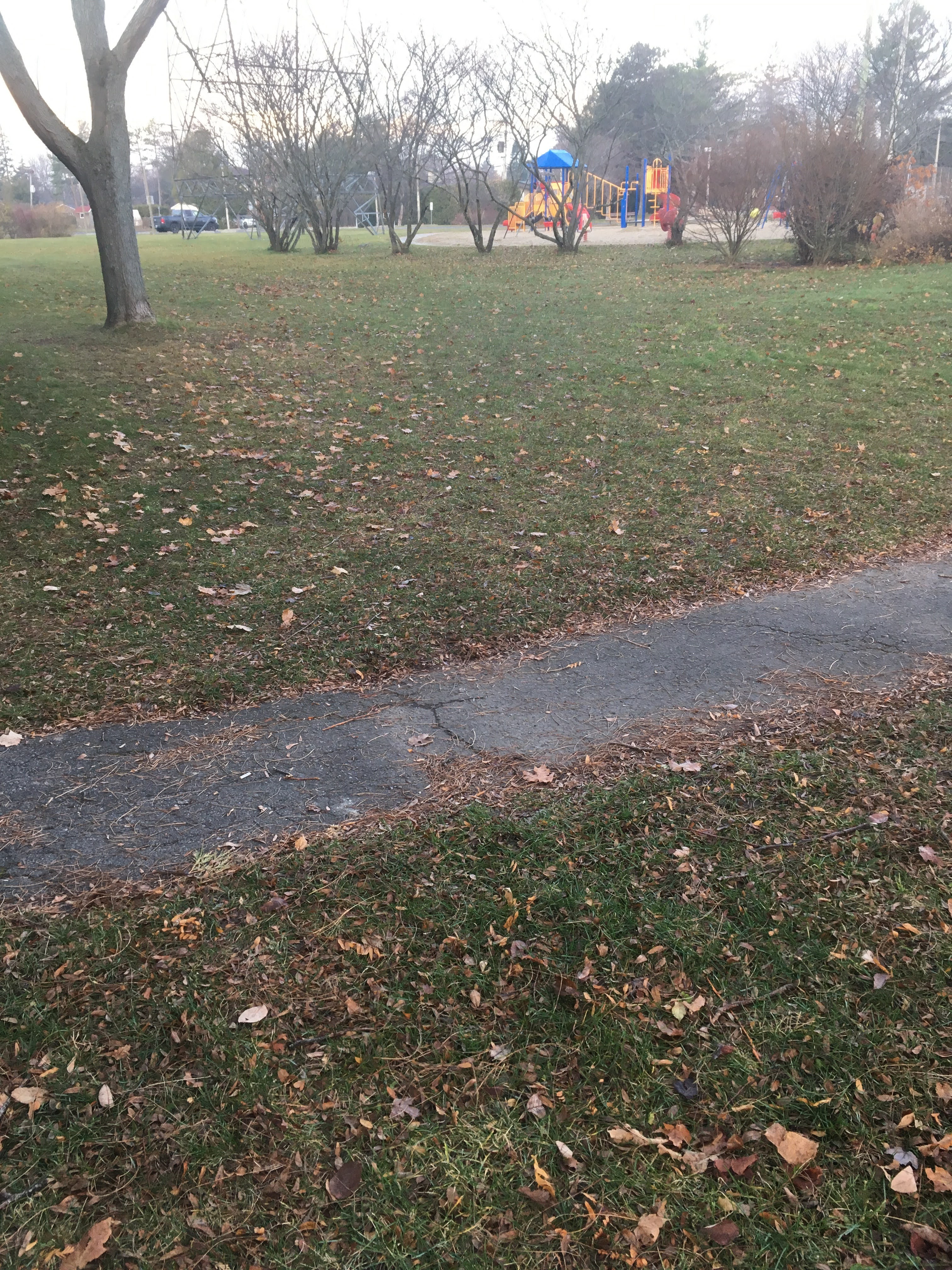
This year, that desire path is gone. With COVID, people are either working from home or commuting to work in a different way. The grass is green and full, as if the desire path had never existed.
The grass between the tree and the playground is usually trampled into a clear desire path. Not anymore!
Our desires changed so we quickly and effortlessly beat down new desire paths—around our neighbourhood, between our at-home desks and the bathroom, or maybe between our TVs and the refrigerator.
We effortlessly opt for desire paths every day. When we park at the grocery store and walk diagonally across the lot, we take a desire path. When we jaywalk to get to our favourite coffee shop faster, we’re choosing a desire path.
We know where we want to go, nothing holds us back, and we take the steps to get there the fastest. Easy right?
Why are other goals harder to reach?
Why don’t we simply jaywalk to the right career? We should be able to fast-track to the perfect relationship. To lose weight, all we have to do is eat less and exercise more.
But it’s more difficult when the target is uncertain, or when our emotions get in the way, or when the goal feels impossibly out of reach. We travel long, circuitous routes (or maybe never reach a destination) because we become paralyzed with fear, or we don’t believe we deserve love, or we compare our bodies to others.
For those not-so-clear, scary, long-term goals, it might help to:
Place them in your favourite coffee shop in your mind.
Do as the cows and sheep do and never spend one second comparing yourself to others or believing yourself unworthy.
I am an optimist. I CAN’T HELP IT. When unfortunate events occur, my natural response is: “Okay, let’s deal with this. How can good come of it?”
This past week I was alarmed and disturbed when someone brought the phrase “toxic positivity” to my attention. The Psychology Group calls it “the dark side of the ‘positive vibes’ trend.”
We define toxic positivity as the excessive and ineffective overgeneralization of a happy, optimistic state across all situations. The process of toxic positivity results in the denial, minimization, and invalidation of the authentic human emotional experience.
— The Psychology Group: “Toxic Positivity: The Dark Side of Positive Vibes”
Has my relentless positivity been annoying the heck out of people? Have I been robbing people of their sorrow? Maybe I have friends who are secretly licking wounds I unintentionally inflicted on them?
If so, I apologize, but I CAN’T HELP IT.
It’s not that I don’t ever feel sad, or disturbed, or angry. I do. But I am incapable of dwelling in those states, and I find it hard to understand it when people do.
If there was ever a time for people to explore the breadth of emotions, it’s during a pandemic. Over the past seven months I have felt sad, disturbed and angry. Of course I have. But I’ve also been saying, “Okay, let’s deal with this. How can good come of it?”
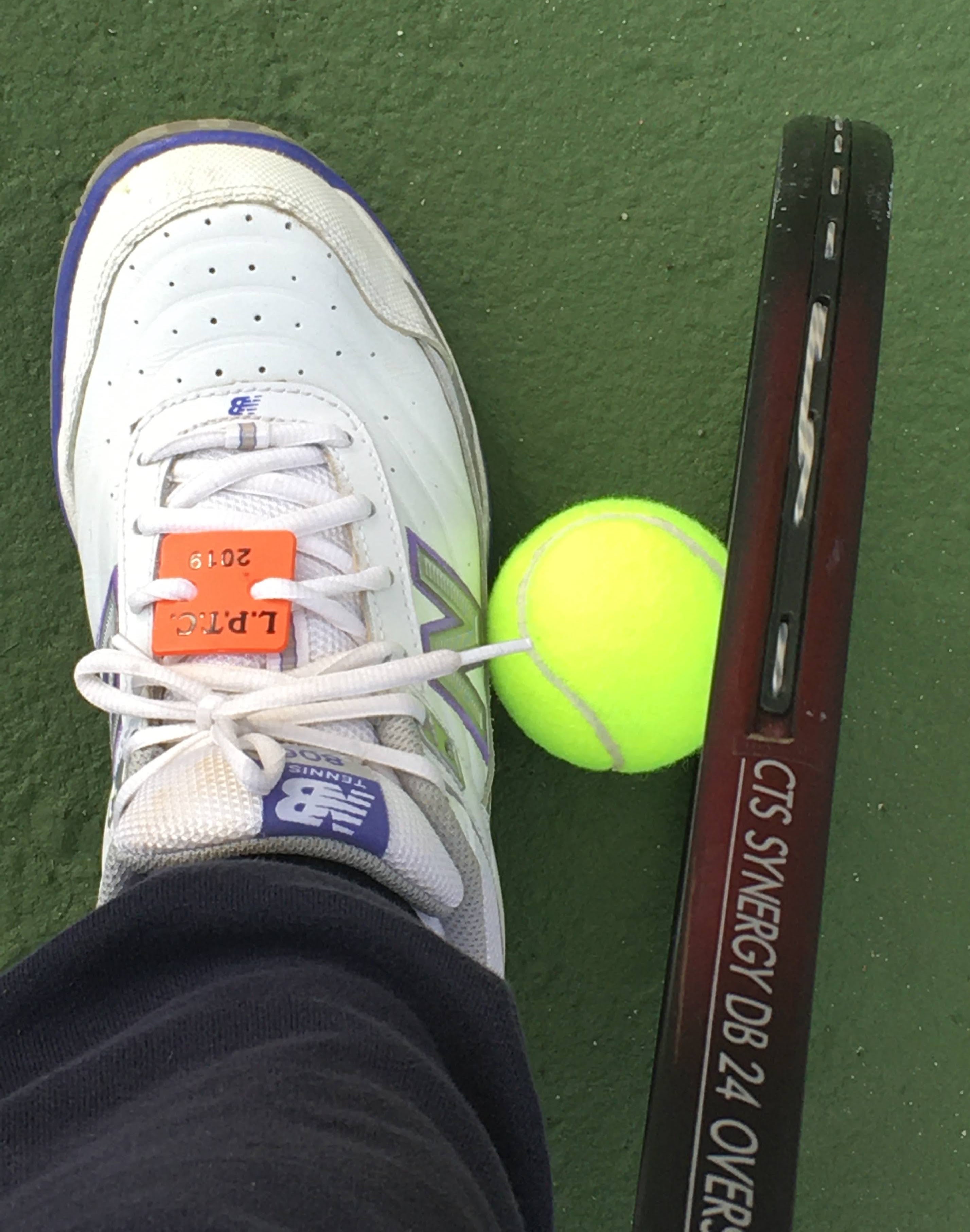
I have been practising gratitude at every turn, and I have found so many things to feel positive about. For example, I am grateful to have acquired the skill of picking up a tennis ball without using my hands, so as to (ahem) not touch other people’s balls.
No more bending! I can now lodge the ball between my shoe and the racquet and lift.
When I asked my Facebook friends, they too had found many positives amongst the negatives.
Physical Activity: My friends took up physical activities they had never done before, or had not done in a long time: tennis, biking, walking, and stand-up paddleboarding. One friend described her new kickboxing habit as a “great way to work out the COVID angst.”
Technology: We have learned how to use online communications platforms. We are doing online coaching, yoga and fitness classes. One friend learned how to use a coverstitch sewing machine to make athletic leggings with a professional look. And, of course, there’s online grocery shopping.
Connections: We aren’t seeing people like we were before, but we’re seeing people in a different way. One women meets a 94-year-old friend from Scotland every week via Zoom. Many people have met neighbours they never knew before, because suddenly everyone is working from home and going for walks. We’re helping each other with groceries and dropping off baked goods. We’re enjoying family time. playing games, eating together. While stocking up on books before the lockdown, a friend met someone who runs a writers group.
Services: Two of my friends learned how to groom their dogs. Many, many of them cut their own hair or a family member’s hair. We watched YouTube videos to learn how to do just about anything. Another friend has learned how to do her own gel nails.
Hobbies: Sewing, cooking new things, gardening, drying seeds, and canning are on the list of hobbies developed in the past seven months. I’ve been doing lots of writing. One friend started buying and selling used vinyl (albums in my lingo). He is, “having a blast. Meeting all kinds of interesting people (at a distance) and adding considerably to [his] music knowledge base.”
Self-care: Through all of this we have been trying to take care of ourselves. The physical activity is helping with that. One friend lost 30 pounds. Another friend has taken up a meditation practice.
These are all little ways of dealing with the negative. When can do them when we’re sad, mad or angry.
Collectively we’re saying, “Okay, let’s deal with this. What good can come of it?”
Put on a happy face . . . but only when you’re ready.



 Somerton Smith
