Category Archives: Author

The parable of the shovels

Two men stood on opposite sides of a field. An Overseer gave the order: “Dig.”

The tip of a metal shovel breaking ground.

The first man said “Okay! I can handle that. I’ve been preparing all my life to dig.” He selected his best shovel from five shovels leaning against a large storage shed, and he set to work. He had no trouble digging; his parents had paid for digging lessons when he was a child, and he had a college degree in shovelling. He was so good at digging that sometimes this man wished he had more shovels. The families of some of his friends had so many shovels they needed more than one storage shed. They had more than they could ever use, and this man knew his life would be better too, if he amassed a larger supply.

The second man across the field heard the “Dig” instruction and set to work. He had no shovel, so he dug using his bare hands. He had never had a shovel, so he wouldn’t have known what to do with one if he had it. He believed that shovels were something only other people had, and they were a dream he would never attain. He was a little afraid of shovels, truth be told. And the people who had shovels didn’t treat him nicely at all, so he didn’t want to become like them. Because he didn’t have a shovel, he had to dig longer and work harder than the other man, and he still didn’t get as much done. But he kept working. One day he fell ill, but he dug anyway. There are no such things a sick days for people with no shovels.

The first man didn’t pay much attention to what was happening on the far away side of the field, but one day he decided to take a well-deserved afternoon off and go for a walk. When he came to the side of the field where the second man was working through his lunch hour, he saw how little progress the man had made.

“Look at that,” he said. “He’s hardly done anything. He’s waiting for me to pick up the slack.”

He shook his head and walked away. “He’s just lazy and riding on my coattails.” He didn’t notice that the man had no tools to work with. It didn’t occur to him to share any of the shovels he wasn’t using.

The Overseer came back to check on progress. He visited the man digging with his bare hands, and he complimented him on his progress. “You have done well,” he said. The digger knew he had worked hard. He felt proud of the results of his hard work, even though he knew it wouldn’t look like much to others.

hand-tool

The Overseer went to visit the man with many shovels. That digger said, “Look at what I’ve done.” He waved an arm to show off the large area of ground he had worked. “I’ve done so much more than that guy over there.” He pointed to the small patch the other digger had worked on the opposite corner of the field.

“You have done well,” the Overseer said, “But do you think you might have a shovel to spare?”

Startled, the first digger replied, “Why, sure, I guess.” He’d never thought of that before. He looked down at the shovel in his hand. It had a sturdy handle, and it was just the right length. He really loved it. He didn’t want to give that one away, so he kept his favourite shovel. He gave the Overseer one he’d forgotten he even had out of the back of the shed.

The Overseer returned to the far side of the field and placed the shovel into the dirty and calloused hands of the second digger. The man held it out from his body, overwhelmed at first. He had never handled shovels, so it felt awkward. He didn’t think he deserved such a thing.

“Use it. It will help you,” the Overseer said.

Eventually the second digger gained confidence and became quite comfortable with the new tool. It worked so well for him, he even enjoyed some time off every once in a while.

  • There will always be people with more or fewer tools.
  • Don’t judge people who don’t have tools.
  • Don’t be afraid of tools; master them and they will help.
  • Everyone is worthy of tools.
  • Consider the needs of others and get them some tools, if you can.
  • Sometimes we don’t even realize that we have more tools than we really need.
  • It’s okay to keep your favourite tool.

Giants

My final poem for Poetry Month. A tribute to people doing important, unacknowledged work.

Giants

Giants are the smallest men
As measured by scales of Job.
With poison scorn and fountain pens
They slash and jab to rule the globe.
 
In glass towers they strut and spit.
The height a craved collusion.
Fragility keeps them separate
In fantastical delusion.

For city smog mugs their glass
Dying skin cells dust book spines
Ink-stained downsizings fill the trash
And stains streak their ample Calvin Kleins. 

The humble arrive and quietly hedge
Their mops, dusters and garbage bins
Around the small mighty who can't acknowledge
That cleaners are our greatest ones. 
Hand with a cleaning glove, squeezing a sponge.
Photo by Anna Shvets on Pexels.com

The up and down journey through tasks

For this week’s post, I thumb my nose at a piece of writing advice. (Well, two pieces actually, since I just used a cliché.) Good writers, they say, opt for the word “said” during dialogue so as to avoid scenes like:

"Let's go to the movies," he posited. 
"I disagree," she demurred.

Herewith, consider my nose thumbed.

Task

“I want to climb that mountain,” she says.
   The foothill lures her spirit,
   Beckoning wide paths seduce her.
      Flooded with energy, she skips.  

“The path gets narrower,” she notices. 
   A switchback challenges her footsteps, 
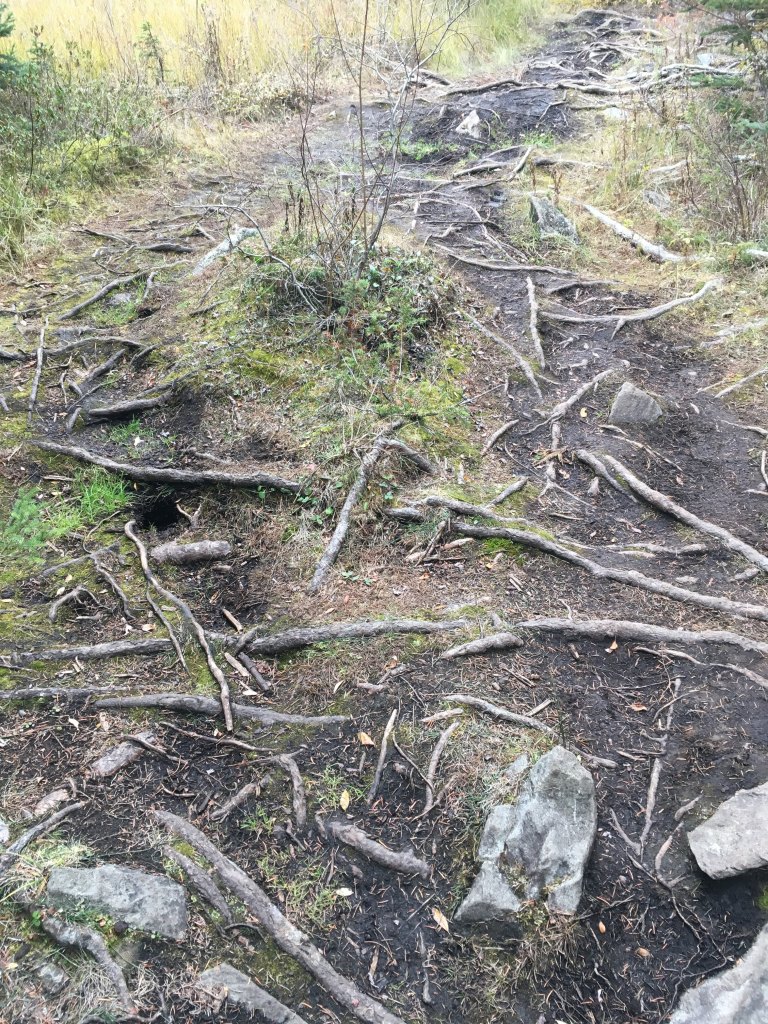
   Scribbling tree roots trip her.
      Worried but still powerful, she continues. 

“Should I carry on?” she puffs.
   The incline steals her breath,
   Aching muscles betray her.
      Depleted of oxygen, she schlepps.

“I can’t do this,” she whines. 
   An obstacle blocks her progress, 
   Darkening skies shadow her. 
      Deprived of hope, she sleeps. 

“But . . . my goal is just there,” she awakens.
   The dawn illuminates her next steps,
   Daunting barriers dissolve before her. 
      Reinvigorated by inspiration, she climbs.

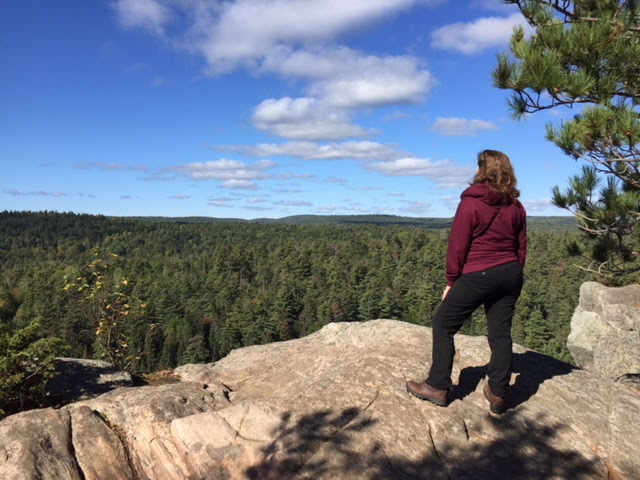
“What a view!” she cries.
   A summit reveals her success, 
   Haunting memories flee from her.   
      Satiated with completeness, she savours. 

“Now what?” she wonders.
   The downward path answers,
   Waning desire to remain prompts her.    
      Evolved for a new task, she descends.       

“If I go down, I can climb a higher mountain,” she says.  
      

ABC dialogue poetry

My second poem for April Poetry Month is quite different from my first.

At a workshop sponsored by the Canadian Authors Association on Saturday, Tim Wynne-Jones challenged us with the exercise:

For 6 minutes, write lines of dialogue. The first letter of each new line must be the next letter in the alphabet, A to Z.

Here is my result. Keep in mind . . . I only had 6 minutes so, yeah, it’s a little crazy. And I didn’t get all the way through the alphabet the first go-round. I got as far as O. All the letters after that I completed in a subsequent 6-minute time allotment.

Z Solution

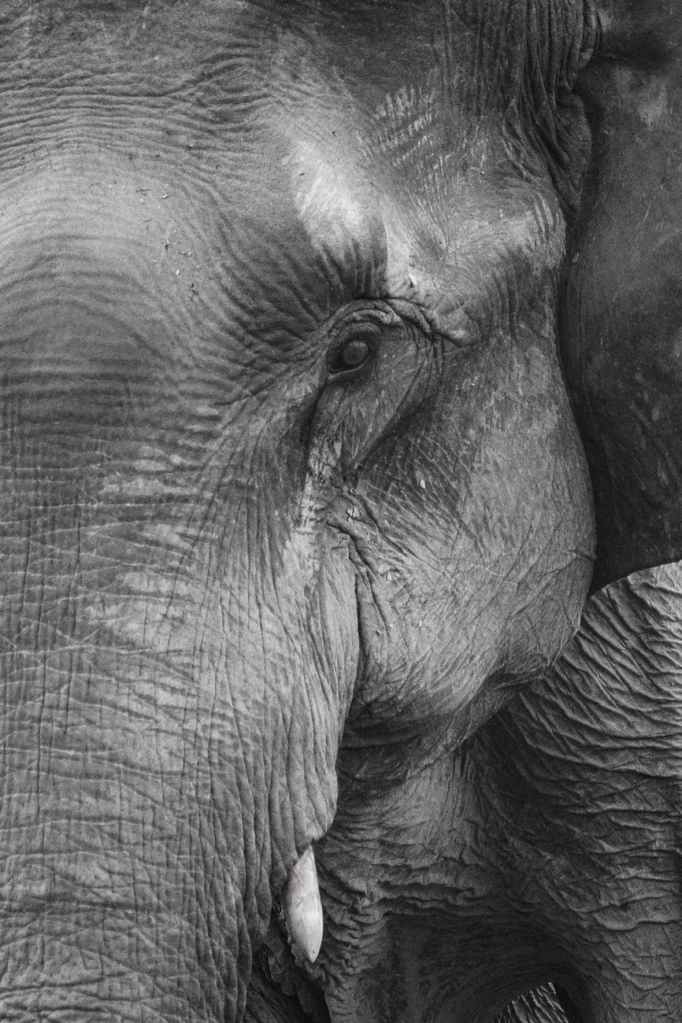
An elephant can't fit through there.
Butt's too big.
Can we push?
Don't think that'll help.
Elephant weighs eight tons.
For F*&!'s sake.
Get me a lever.
How about an axe?
In case of emergency, break ass?
Joker, ha ha.
Keep thinking. 
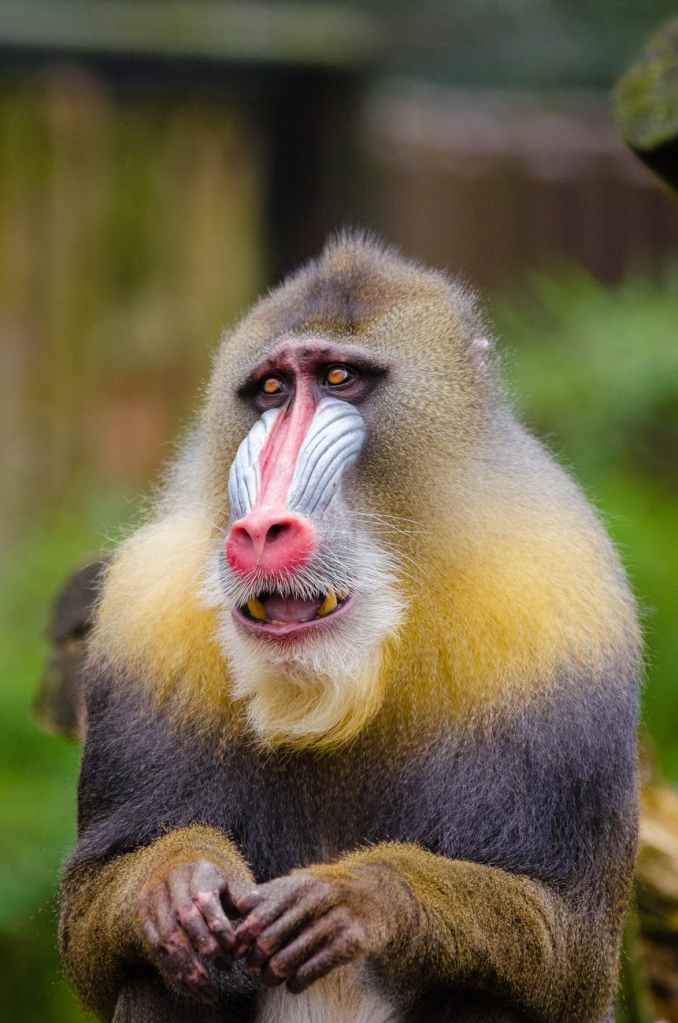
Look behind the mandrill's cage.
Manny the Masturbator?
Notice how he drools when you walk by?
Oh no, he prefers blondes. 
Perhaps everyone does, even the elephant.
Quite annoying, that is. 
Ridiculous, like this situation. 
Suppose we go around? 
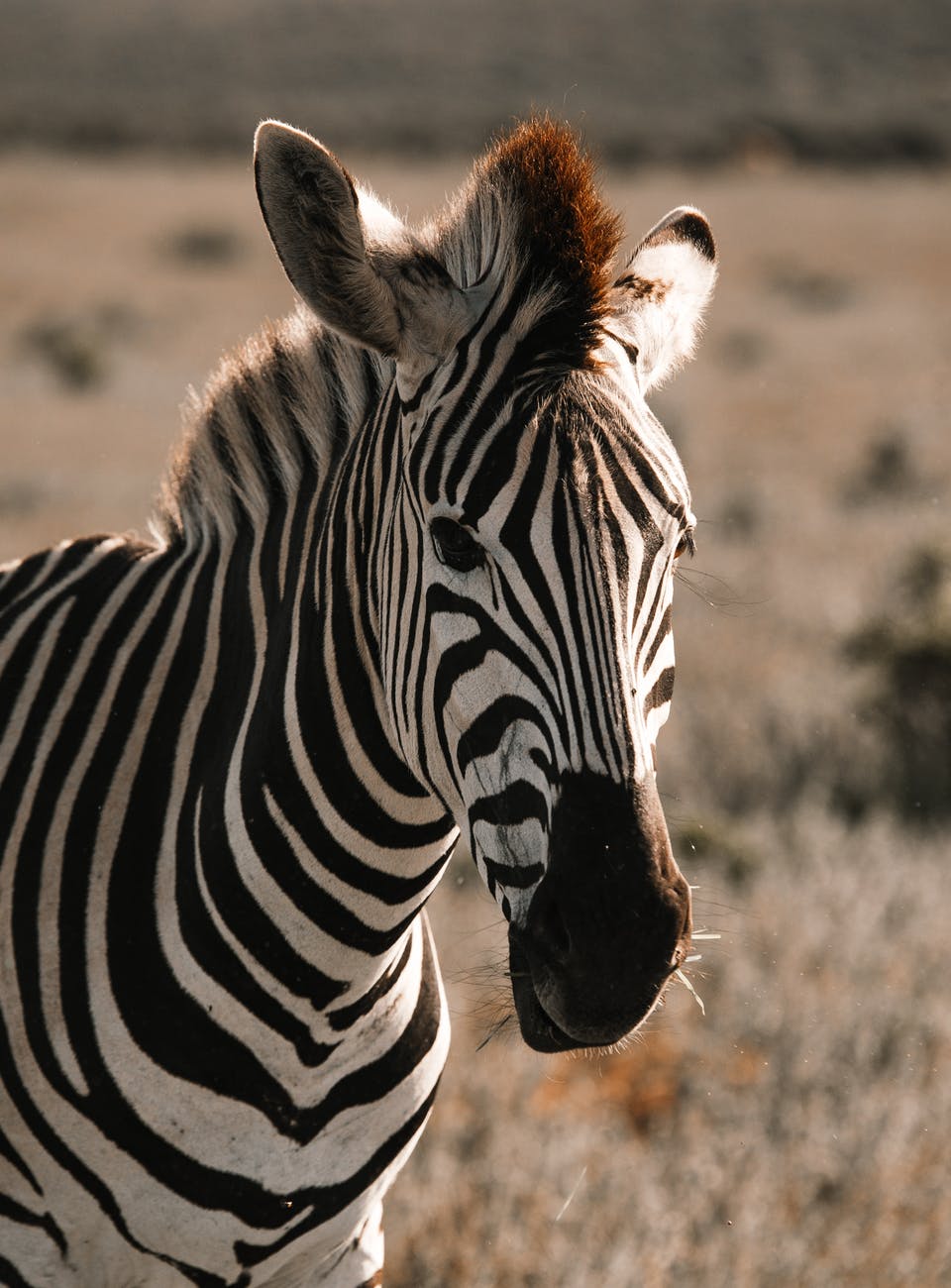
Through the zebra's field. 
Unbelievable how you used the Z word before the end.
Verily, I say onto you ... no worries.
Why? 
X was the real problem, because there's another word for Z.
Yes, this place is a real ...
Zoo. 

Riven

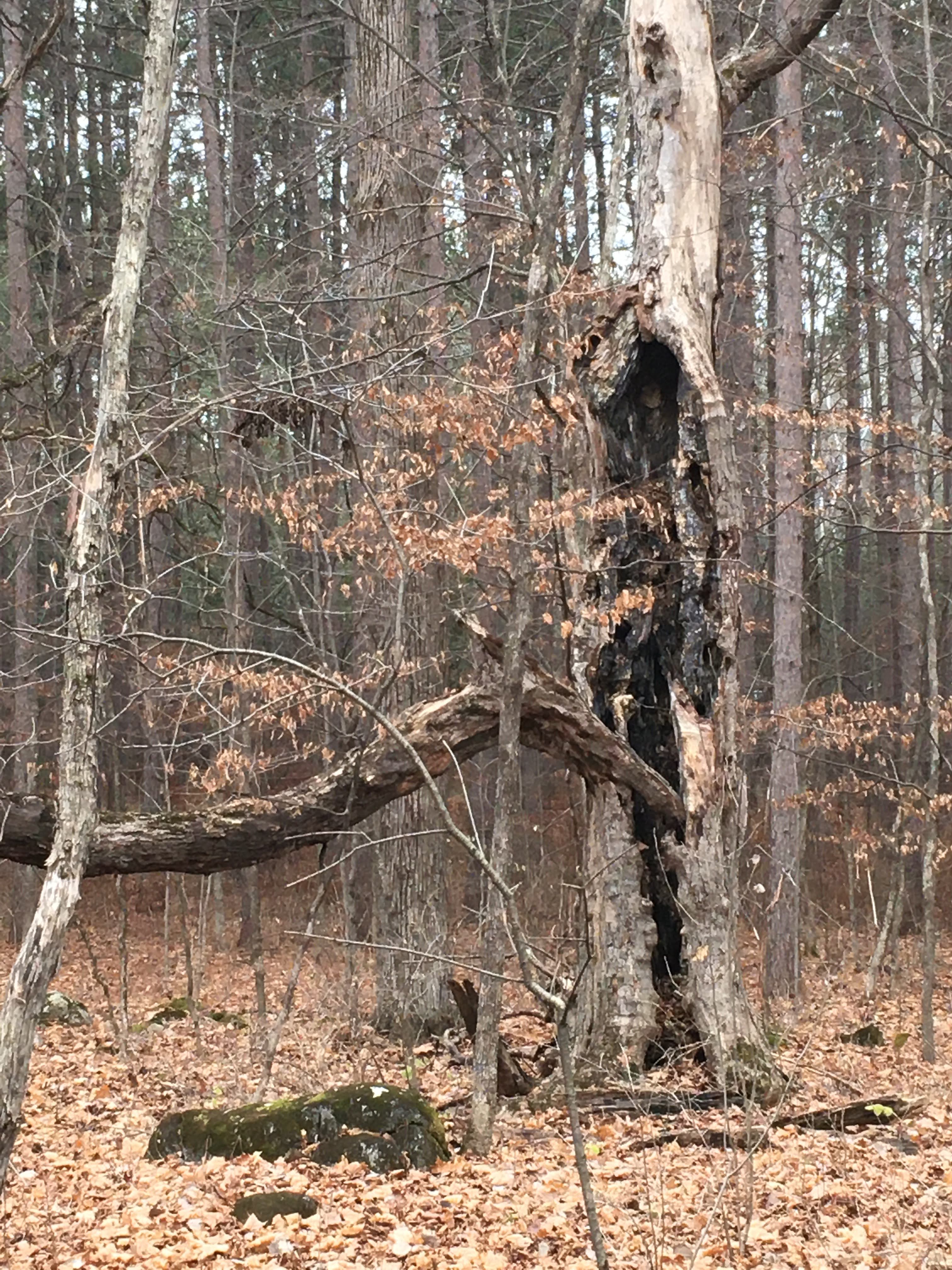
My first poem for April’s poetry month. I decided to do an Ottava rima because it sounded like Ottawa, where I live, even though Ottawa has nothing to do with the number 8. (Ottawa is derived from the Algonquin word “adawe”, which means “to trade.”)

The poem has eight lines with an abababcc rhyming scheme. Inspired by the photo below.

Riven

An ash where deer once roamed in sombre shade,
  Returned to ash by lighting strike — one flash,
Nature's lumberjack felled this spine so splayed,
  With a forked bolt, one cracking, wicked lash,
Defiant though blackened, stripped and decayed,
  It will birth new life from the V-shaped slash,
Out of mottled dust and ashes of death, 
Life ruptures forth, emerges, takes first breath. 

© 2021 Arlene Smith

A little poem to lead us to bigger things

Sunday was World Poetry Day, as proclaimed by UNESCO. In honour of that event, I have written a poem, which I will share with you now.

(Ahem)

I say . . .
I don't care what you say.
I see . . .
Yes, through my eyes.

But . . . that way, we're both blind.

. 

A poem to send us into the day with the intention of kindness to all and celebration of everyone, no matter how different from us they might be.

Our technology gives our generation an opportunity that generations before did not have.

  • We can reach out instantly across the world to share our stories.
  • We can learn and strive to understand the stories of other cultures.
  • We can solve problems together and share resources.

What an opportunity we have! But we’re squandering it with our hate and derision. We’re using technology to create deeper divides instead of to close the gaps.

We’re being little. I’m guilty of it myself.

For today, I’ll try to do better.

Poetry Creation Station
April is National Poetry Month. I have set myself the challenge for that month of writing a poem a week. (I don’t promise that it will be GOOD poetry.)