This sign stood propped outside the doors of the Lake Louise ski resort.
I contemplated the raven and asked myself, “Is that where the word ravenous comes from?” As in, so hungry you’ll tear something to bits in search of food.
Apparently not. According to etymonline.com, the word comes from an old French verb raviner meaning “to prey, to plunder, devour greedily.” The word is not etymologically related at all to raven.
In light of that sign, I couldn’t help but feel disappointed.
A few days ago, my husband said that he was feeling peckish. The word is not commonly used, but it was a favourite one of his parents. He adopted its use for when he has that, “I could eat” feeling. I asked myself, “Is that word related to birds, as in how they peck at their food?”
I prepared myself for disappointment, after the ravenous let-down. But this time my good friend etymonline.com brought me joy. The word originates from Middle Low German pekken “to peck with the beak.”
At the moment, I am not ravenous, but I expect shortly I will feel peckish. When the time comes, I will eat like a bird.
Men are born soft and supple;
dead, they are stiff and hard.
Plants are born tender and pliant;
dead, they are brittle and dry.
Thus, whoever is stiff and inflexible
is a disciple of death.
Whoever is soft and yielding
is a disciple of life.
The hard and stiff will be broken.
The soft and supple will prevail.
- Lao Tzu, as found in Atomic Habits by James Clear
In this season of Easter | Passover |Ramadan—all times of self-reflection—we contemplate what it means to live fully and well.
The soft, supple, tender, pliant, and yielding are alive and growing. They stretch toward sunny new truths.
The stiff, hard, brittle, dry, and inflexible are breaking. They crumble and return to dust.
For me this is Easter Monday morning. A time of new life, in whatever way you believe it to be. A time of recognizing that good always arises out of the darkest of times.
I just need to remember that during the dark times.
Not grow dry and brittle. Stay soft and supple and ready for new life.
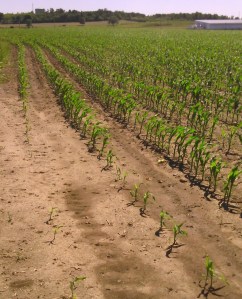
Soft and supple sprouts reaching for sunny new truths
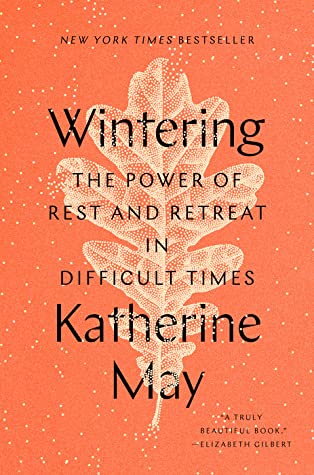
The book provides solace to the soul, and that is something we citizens of Ottawa, Canada need in our difficult times.
Katherine May writes about how we think of life as linear, a slow march from birth to death. That is true, but May reminds us that the pattern of life is also cyclical, or seasonal. We circle through periods of beginnings and endings, storing up and shedding, and wakefulness and sleeping throughout our lives.
At the beginning of a day, or a project, or a course of study, we are similar to trees with green leaves full of chlorophyll. The leaves absorb sunlight and convert carbon dioxide and water into tree food, and we absorb information and convert physical supplies into some sort of product that serves to advance our lives. Spring and summer cycles are about gathering and growing.
At the end of a day, or fiscal year, or a career, we prepare for change in the way of a tree. The chlorophyll in leaves breaks down in fall. The green disappears and exposes other beautiful colours that were always there but hidden. In a process called abscission, the cells between the stem and the branch weaken until supply to the leaf is cut off and the leaf falls. In our lives, this is when we pass on clothes we no longer need, or clear out university textbooks, or pack up personal belongings from the office and walk out the door.
Abscission, the process required for shedding of leaves, is “part of an arc of growth, maturity, and renewal.” In other words, to protect ourselves and stay strong, sometimes we need to rid ourselves of that which no longer feeds us.
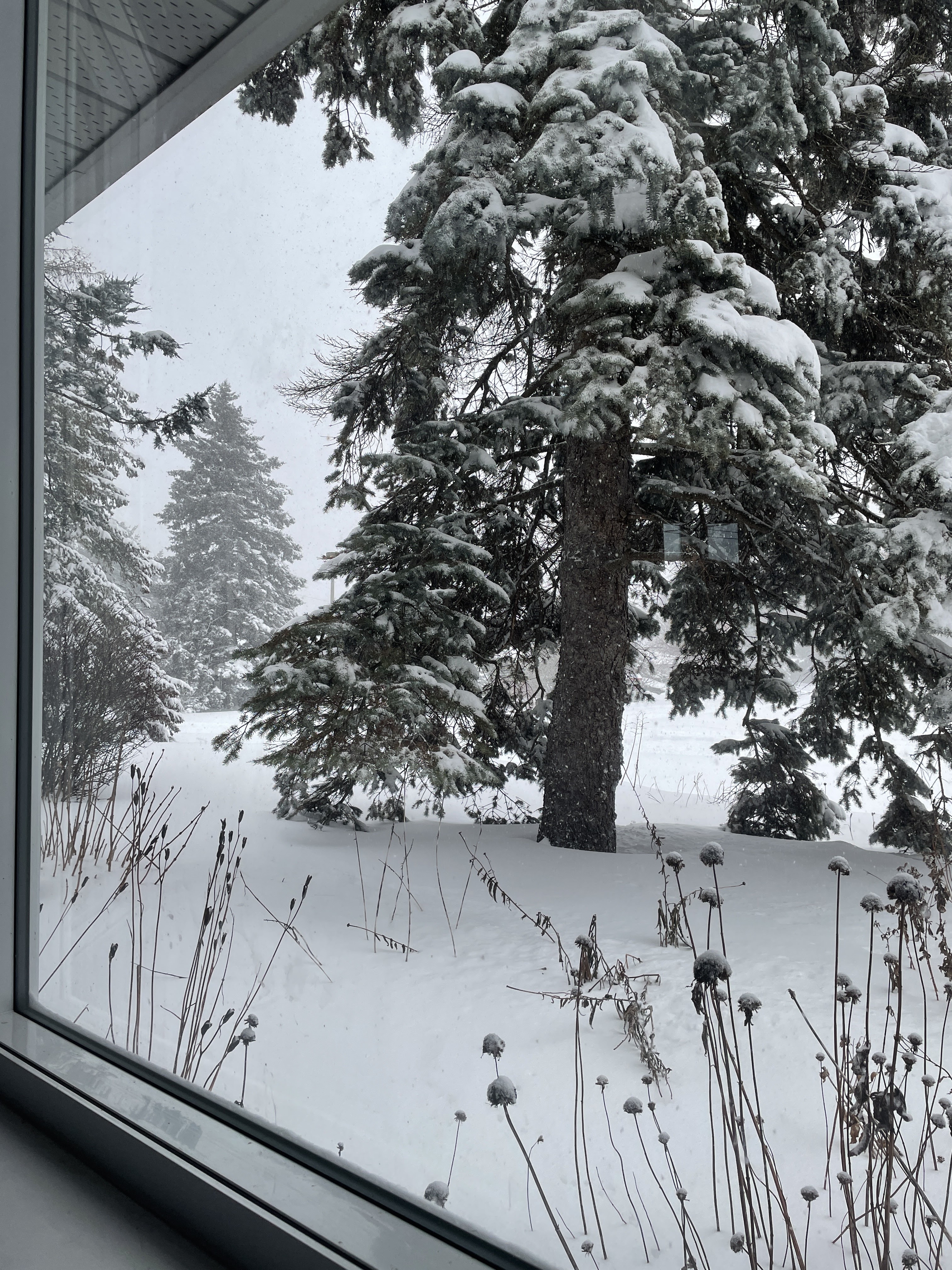
BUT—and this is important —even on the coldest, darkest days of winter, when deciduous trees appear fully dead, there are buds. They are small and protected by thick scales, but they are there.
“We rarely notice them because we think we’re seeing the skeleton of the tree, a dead thing until the sun returns. But look closely, and every single tree is in bud . . .”
On this cold winter day in Ottawa, it helps me to know that buds are in place. It allows me to believe that the events taking place in downtown Ottawa had a spring, summer, and fall season and that the time of shedding approaches.
Soon we will be rid of that which does not feed us.
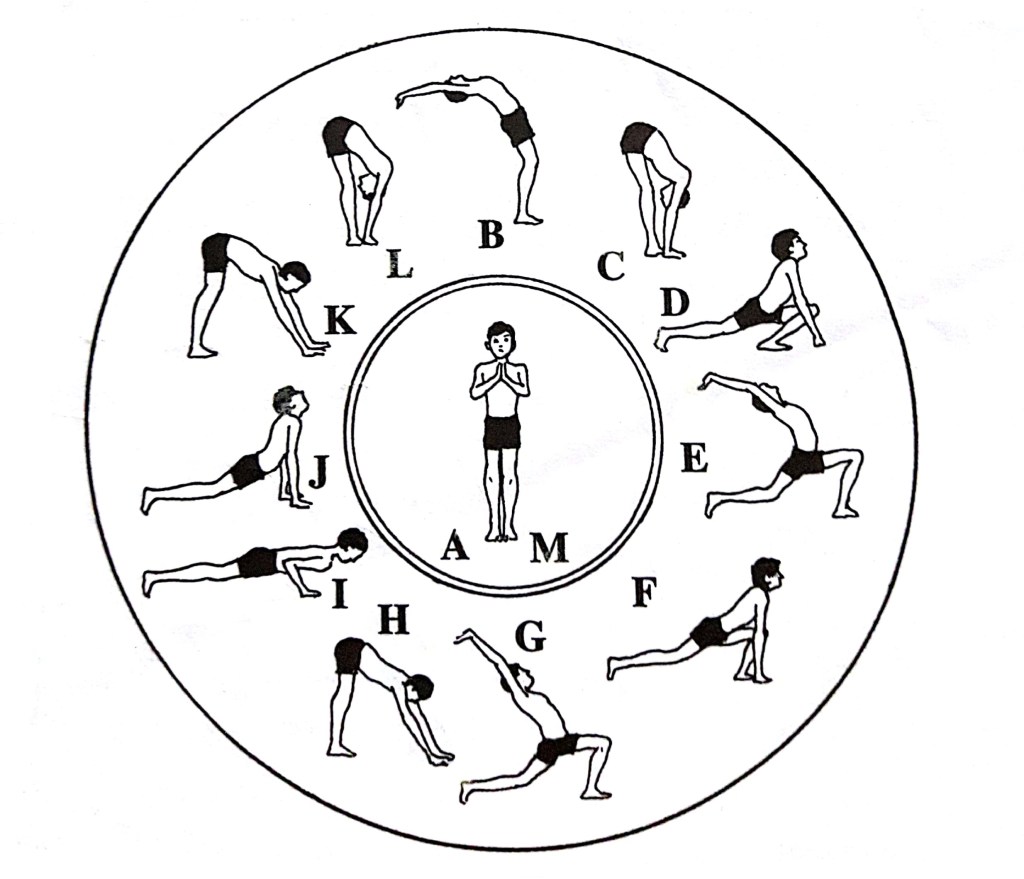
I began the solstice morning with a sun salutation, “a humble adoration of the light and insight of the self,” as it says in Yoga Journal.
[I have been practising yoga via Zoom through the pandemic with the amazing Andrea Robertson of bodyandbalance. No matter where you live in the world, you too could improve strength, flexibility and balance.]
On the darkest and longest day of the year, we salute the sun. It is returning to us here in the northern hemisphere—but not for a while. We have months of darkness first.
Darkness is a scary place of uncertainty, but it’s full of possibilities too. Darkness makes dreams came true.
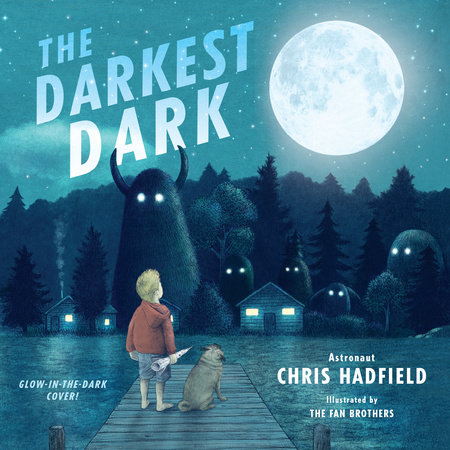
“For the first time, Chris [Hadfield] could see the power and mystery and velvety black beauty of the dark. And, he realized, you’re never really alone there. Your dreams are always with you, just waiting. Big dreams, about the kind of person you want to be.”
The darkness of a movie theatre makes enjoying a movie possible. The images are clear. Any light—from a cell phone, for example—is unwelcome.
Darkness makes us uncomfortable, but it also forces us to focus. If we carry a flashlight out into a black night, we must choose where to shine the beam. We narrow our outlook to what’s important in the moment.
I salute the sun. And I appreciate that, at a time of year when it is less present in my life, I must narrow focus and choose where to shine my beam.
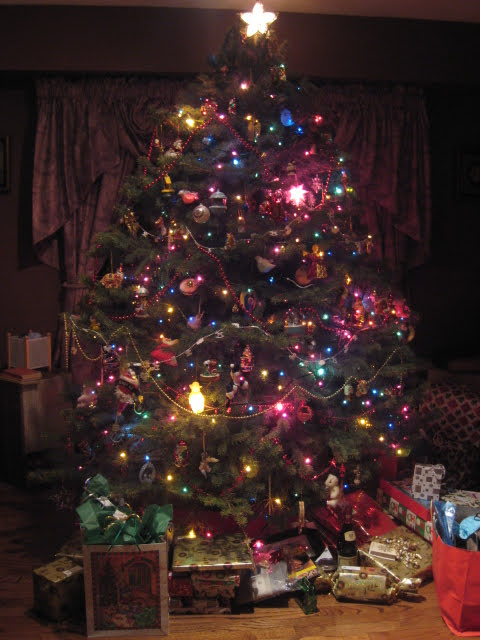
Darkness allows me to enjoy my Christmas tree lights.
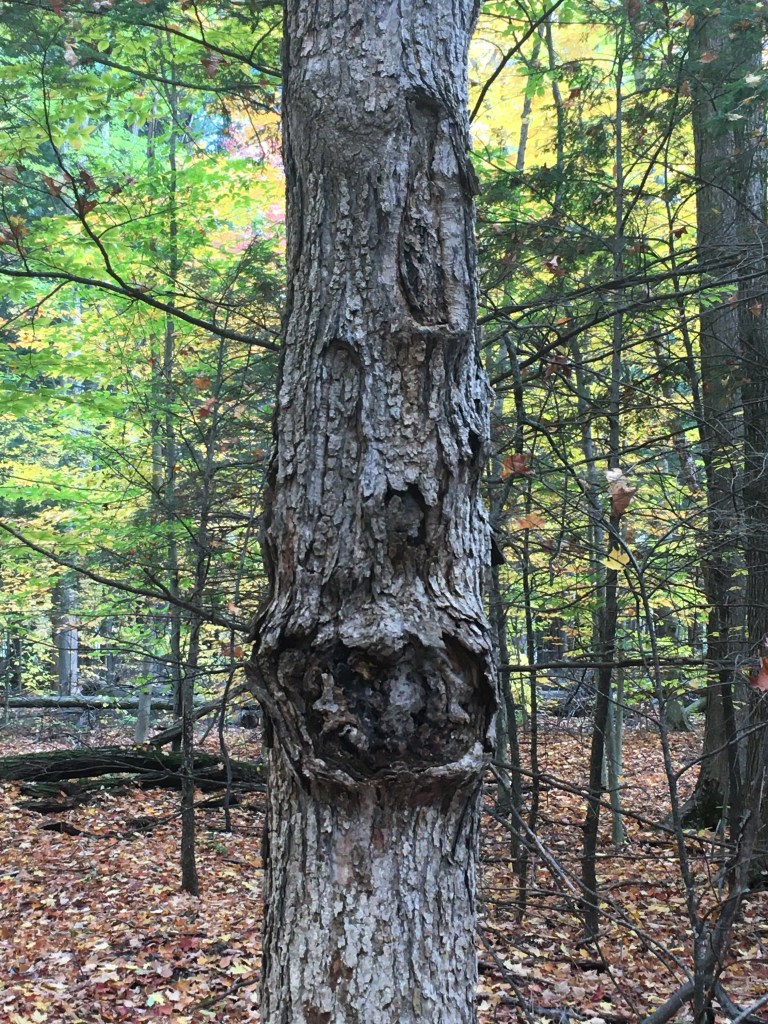
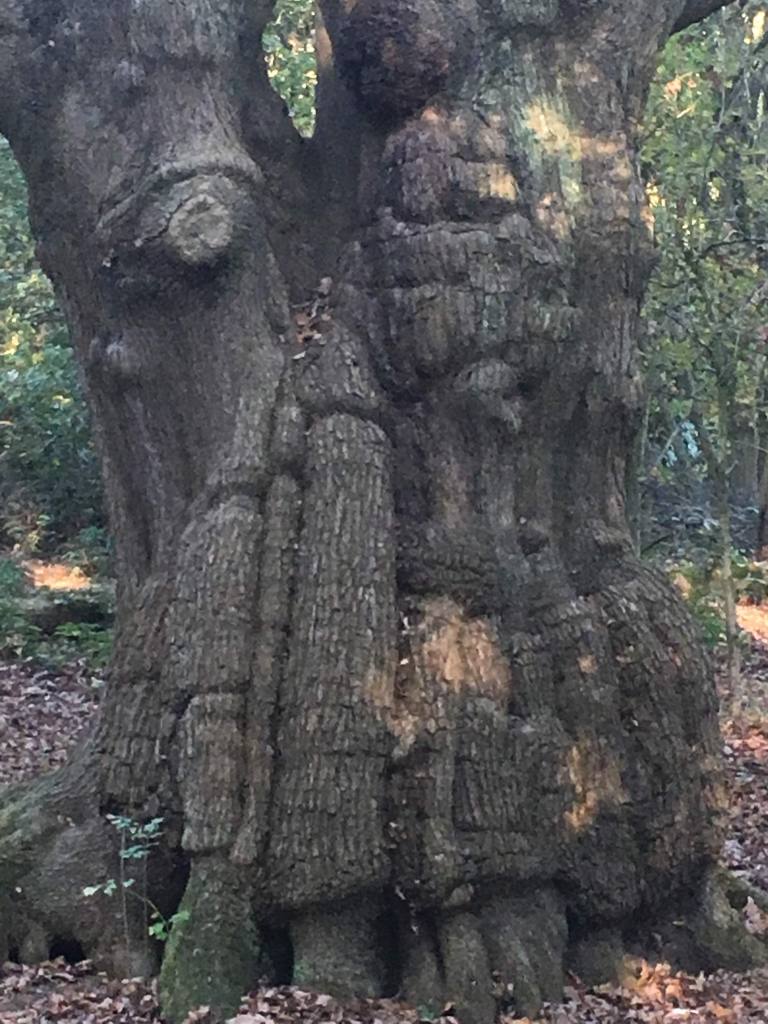
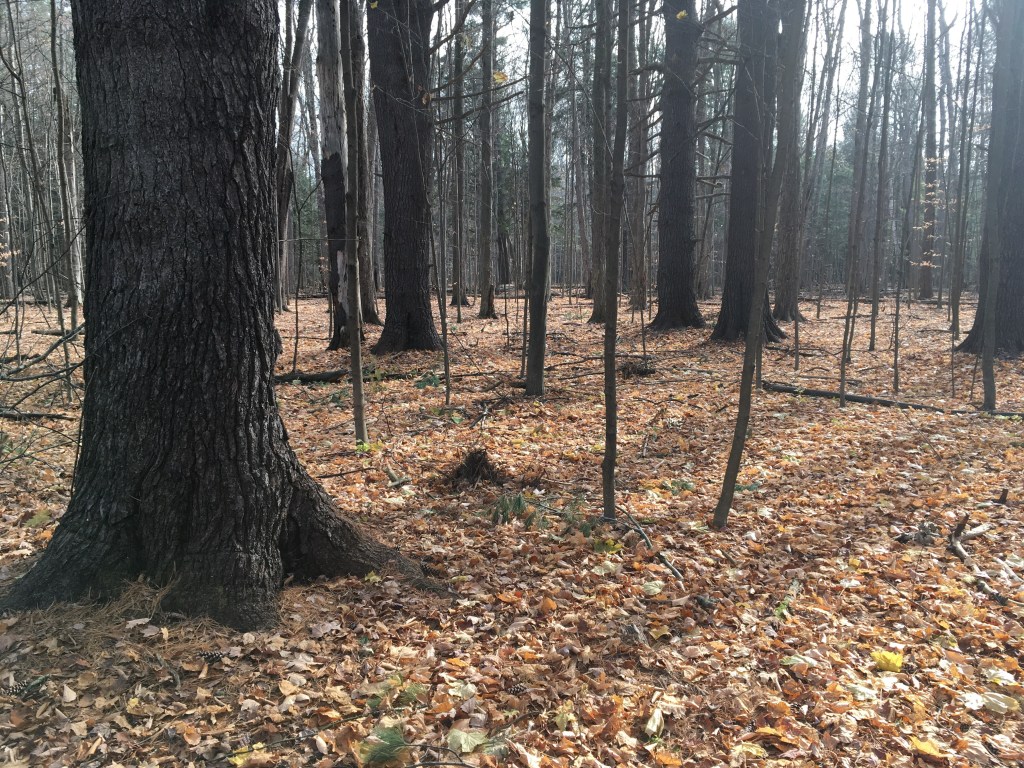
I stroll through the woods near my home, and I run my hands along the gnarled bark of ancient trees. I trail a finger down the deep wrinkles in the trunk, and I think, “How beautiful.”
The twisting growth and grooved skin gives a tree its gravitas and wisdom. In fact, the more gnarled and grooved a tree is, the more we love it.
A tree I love in Ottawa, Canada
A tree I love in Hampstead Heath
And yet, we detest those things in ourselves. Why is it that we humans fear wrinkles so much?
According to the Business Insider, in 2020 the “beauty” industry was growing at a historically fast pace. We are more afraid than ever to let our natural selves shine. The industry then was valued at an estimated $532 billion dollars per year, and it’s growing.
We are draining our bank accounts so that we don’t look like trees.
I celebrate a birthday this week. I am older. My knuckles have swollen, so rings no longer slide over them the way they used to. My lifetime of smiles and laughter shows in the grooves that curve around my eyes and mouth. How beautiful.
Old enough to have wrinkles, but not so old that I can’t still love the Winnie the Pooh blanket
I’m not the oldest tree in the forest, but I’m not the youngest either. Many saplings grow around me. My wish is that by the time those supple trees reach my age, they will see the beauty of aging.



 Somerton Smith